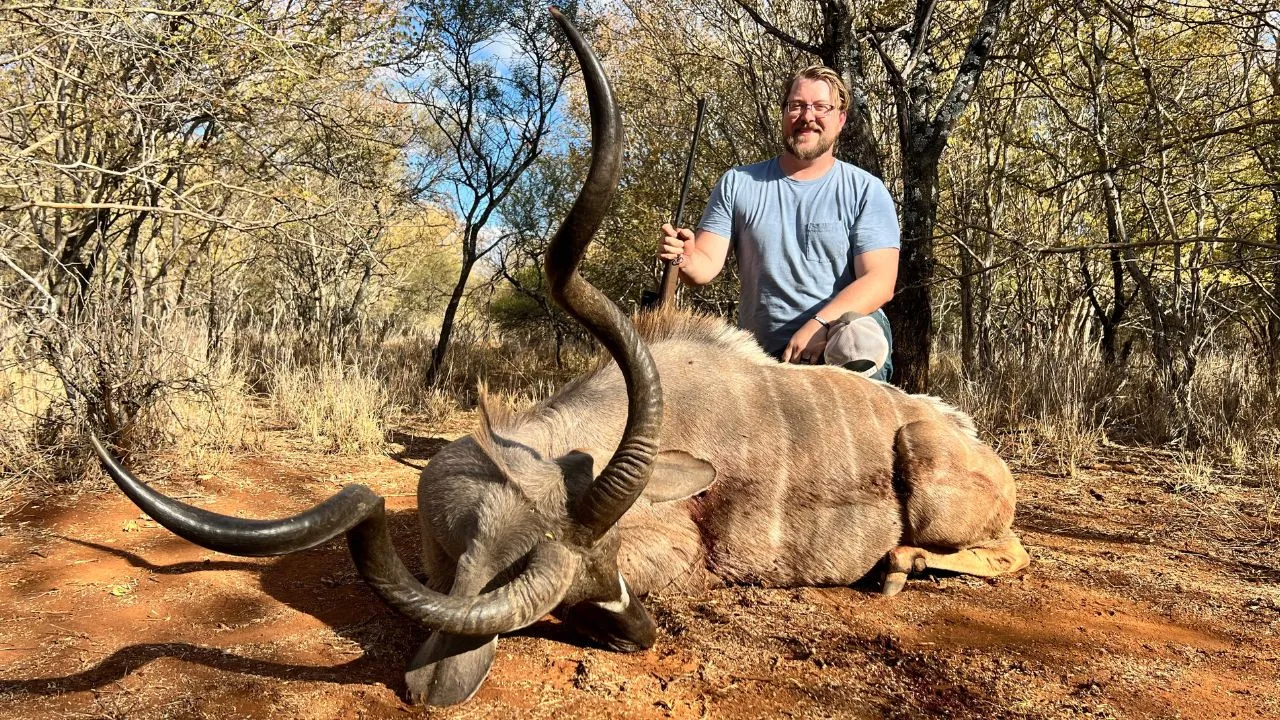
Classic Plains Game
7–10 daysThe hunt most men picture. Kudu, impala, blesbok, warthog and wildebeest across mixed bushveld — spot and stalk on foot, mornings and late afternoons, siesta and a cold one in between.

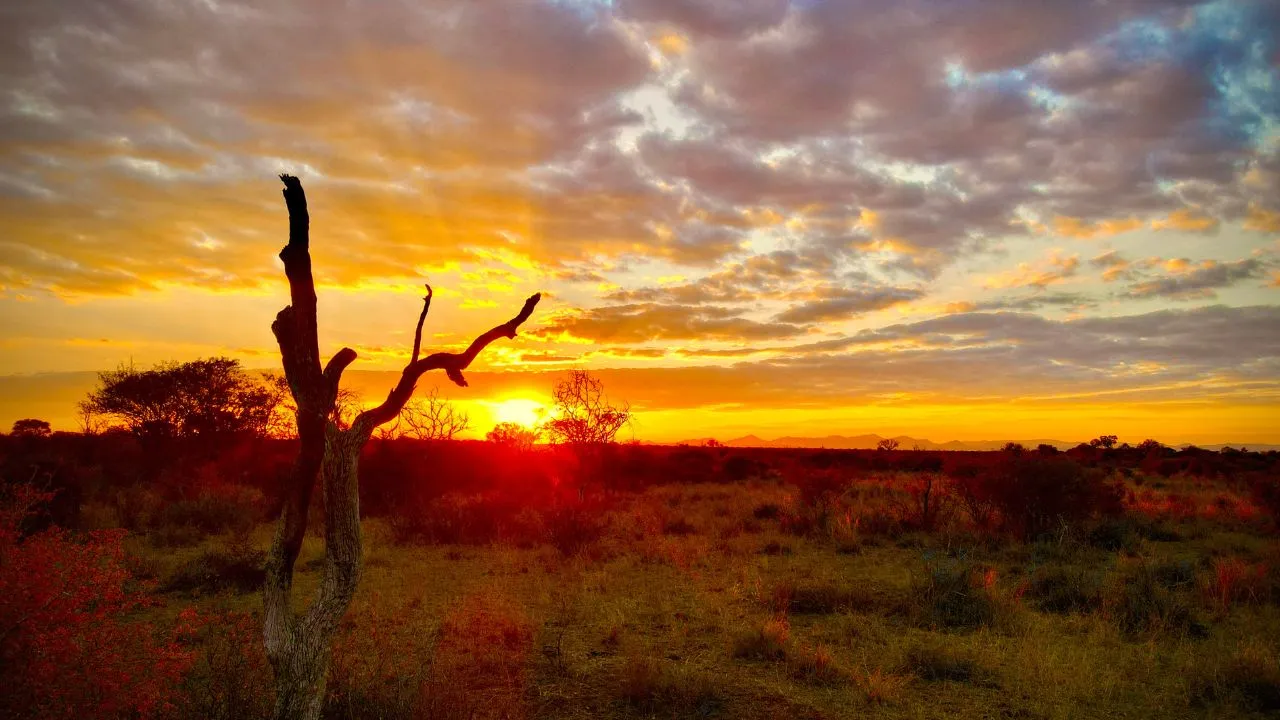
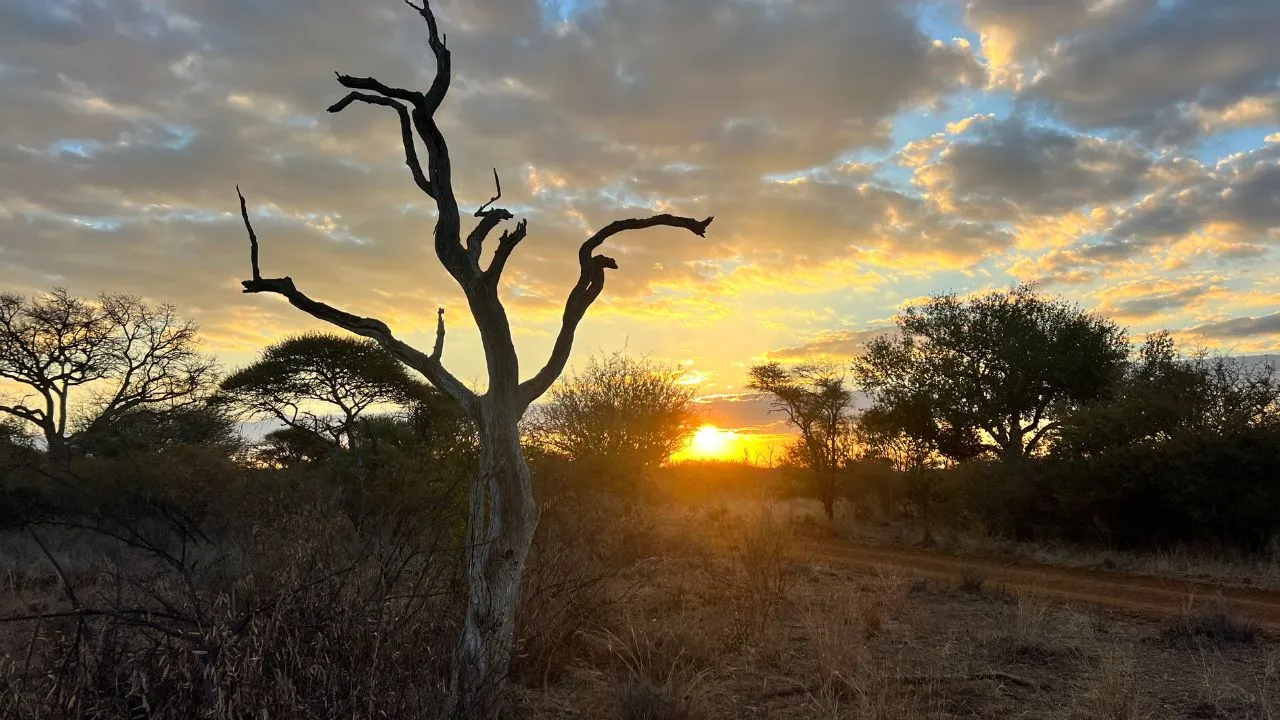
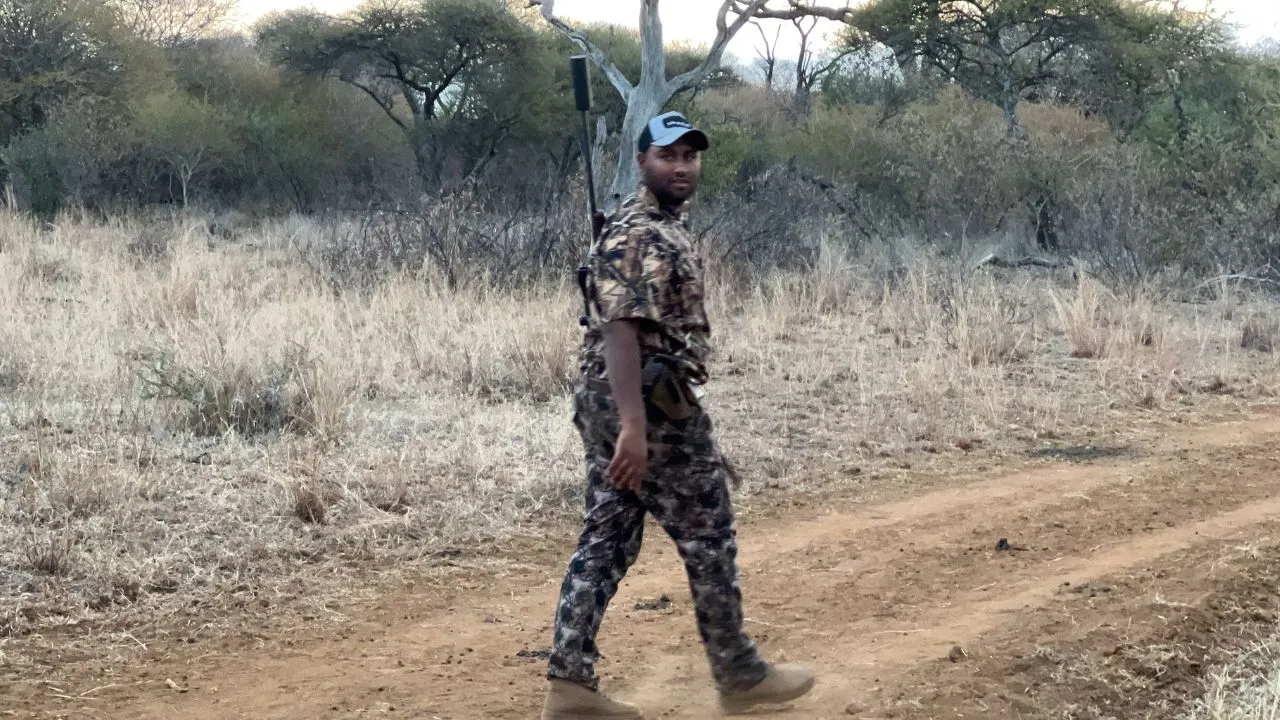

Small, hard-walking, professionally guided safaris on private South African ground. Fair chase, trackers who read dust like a paragraph — and every kilo of meat handed to the villages we hunt beside.
Species on quota
Free-range plains game on private reserves — availability confirmed at booking.
Tap a species to see it
The grey ghost of the bushveld. A mature bull carries two and a half deep spirals and can stand fifteen yards off in thorn without you ever seeing him. Most hunters put him at the top of the list, and most of them work for him.
Old bulls pushed out of the herd, hunted on foot in cover you cannot see thirty yards into. He absorbs a poor shot and remembers who fired it. Minimum .375, and a follow-up that can run for days.
The Kalahari’s swordsman — masked face, rapier horns on bull and cow alike, and no patience for anything walking towards him across open dune. Expect a long crawl and a longer shot.
Built like a bar-room brawler and twice as stubborn. Herd animals with too many eyes between them, and they soak up bad shooting. Put it on the shoulder and mean it.
Harder than they look. The stripes break the body up in cover, they rarely stand still long enough for a considered shot, and the vitals sit further forward than most hunters expect.
Africa’s welcome party and the best teacher on the property. Plentiful enough that you can learn the sticks, the wind and your own nerves before the kudu shows himself.
A shy, riverine antelope with a shaggy coat and lyre horns. He holds to thick bush along drainage lines and slips away quietly, which makes a mature ram one of the more satisfying trophies on the list.
The largest antelope in Africa — a bull can go over three-quarters of a ton. They walk further in a day than you want to, so an eland hunt is usually decided by who gives up first.
Comical until he is thirty yards away and facing you. Old boars carry heavy ivory, feed in the open at midday, and give you a fast, low-percentage shot that teaches good rifle habits.
The plains animal of the dry country, and the one that will stretch your range. They move constantly, see everything, and reward a hunter who can shoot properly off sticks in wind.
A big, dark, heavily built antelope that never strays far from water. Long forward-curving horns on a mature bull, and a reputation for taking a hit and walking a long way with it.
Small, solitary and genuinely dangerous when wounded. He lives in thick riverine bush and moves at first and last light — a proper stalk in cover, usually at very close range.
Wild Horizons is Jan and Justin — a professional hunter raised in the Limpopo bushveld, and an American hunter who came out once and never really left. Between us we’ve guided everything from a boy’s first springbok to a buffalo on the sixth day of a follow-up.
We keep it deliberately small: one party on the concession, a PH and tracker for every hunter, and an itinerary written around your species list instead of a fixed package. What that buys you is time — time to stalk properly, to pass on the young bull, to let the week do its work on you.


Every itinerary is written around your species list, your dates and how hard you want to walk. These are the four shapes most hunts take.
The hunt most men picture. Kudu, impala, blesbok, warthog and wildebeest across mixed bushveld — spot and stalk on foot, mornings and late afternoons, siesta and a cold one in between.
Dagga boys in thick cover, and where permits allow, the rest of the dangerous game. Longer follow-ups, heavier rifles, a second tracker on the spoor. Minimum .375 and a settled nerve.
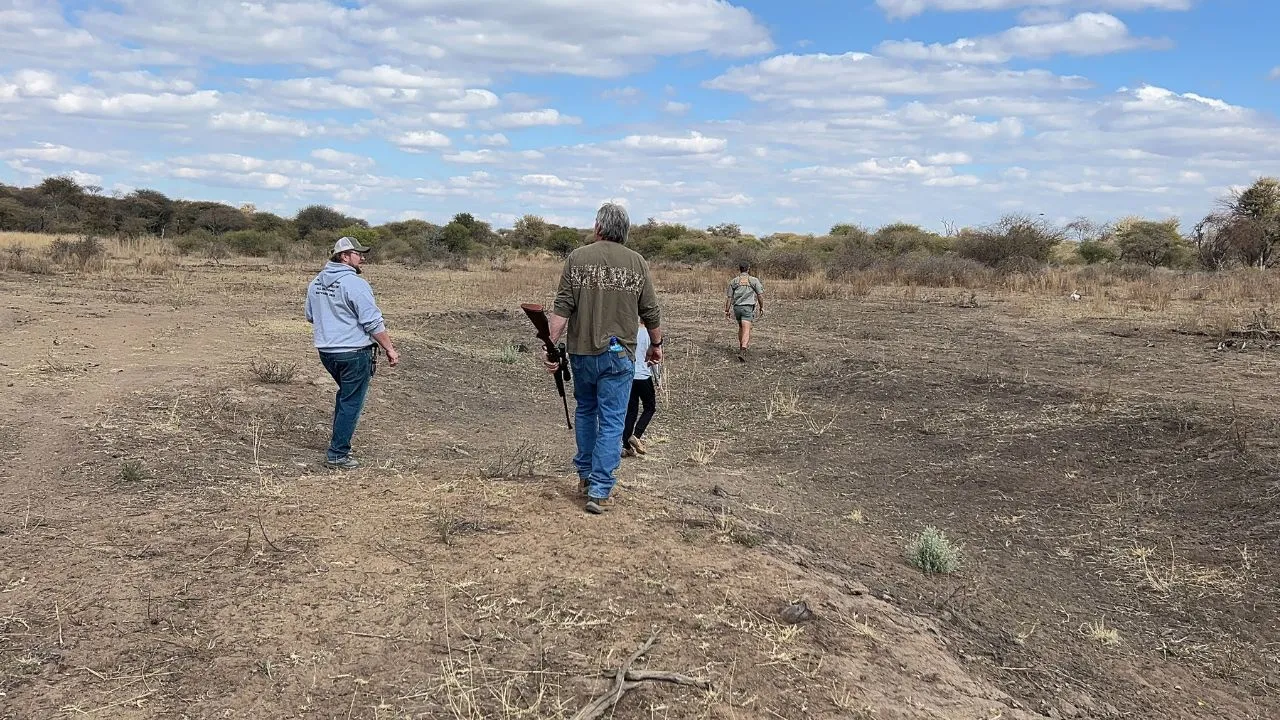
Red sand, open country, long shots. Gemsbok, springbok, eland and black wildebeest hunted on foot through cold desert mornings. The most physical week we run — and the one hunters talk about longest.
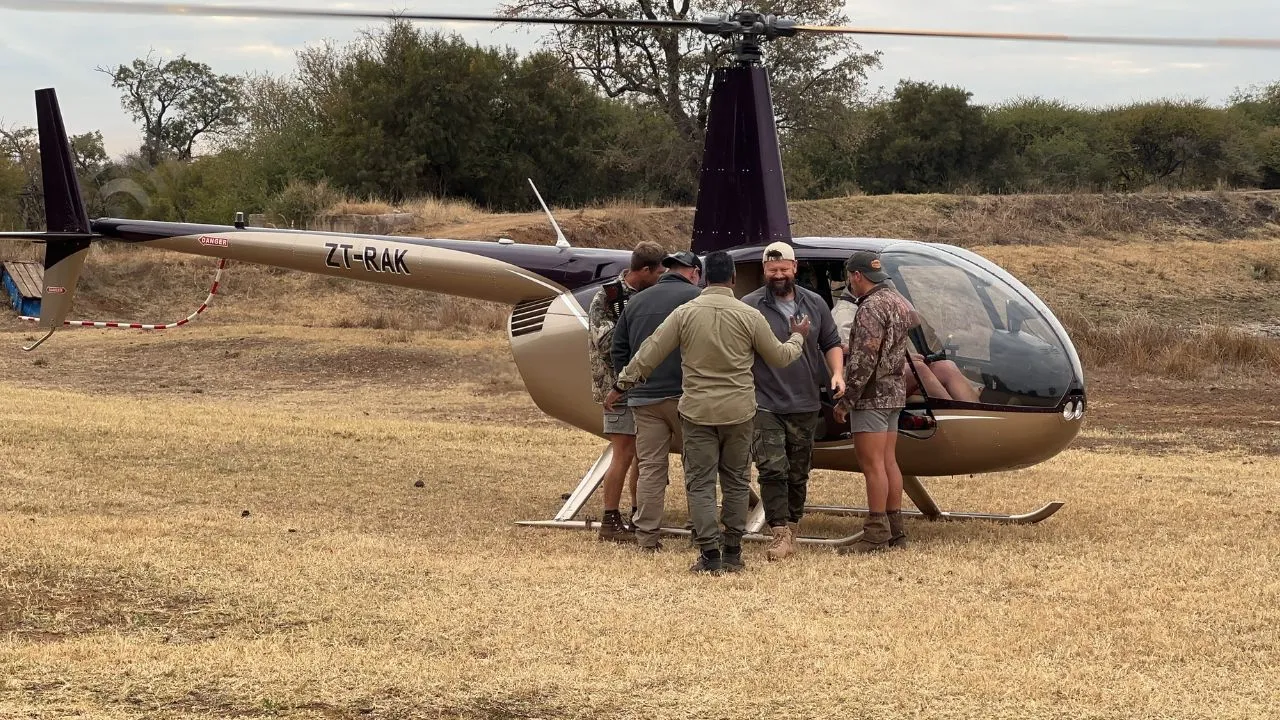
A lighter species list, shorter days and room for the people who came to watch. Photographic drives, a Big Five park day and a mission visit, so the whole party goes home with the trip.
The daily rate covers all of this. Trophy fees are quoted per animal, so you only pay for what you take.
A wide range of plains game is available across our concessions. These six carry most species lists — nyala, sable, roan, eland and the rest we’ll talk through when we plan your dates.
Deep spirals on a mature bull and an uncanny ability to dissolve into thorn the moment you raise the sticks. The animal most hunters come here for.
Old bulls off the herd, hunted on foot in cover you can’t see thirty yards into. He’ll take the shot and keep coming — this is the one that changes how you hunt.
The Kalahari’s swordsman. Masked face, rapier horns on both sexes, and no interest in being approached across open dune. Expect a long crawl and a longer shot.
Built like a bar-room brawler and twice as stubborn. Herd animals with too many eyes, and they soak up a poor shot — put it on the shoulder and mean it.
Harder than they look. Stripes break the body up in cover, they rarely stand still, and the vitals sit further forward than most hunters expect. The hide is worth the walk.
Africa’s welcome party and the best teacher on the property. Enough of them about that you can learn the sticks and the wind before the kudu shows up.


Hunting is legal year-round on private land, but the bush is not the same animal in March as it is in July. Cold, dry winter is prime: thin cover, thirsty game, no mosquitoes.
Most of our hunters have never hunted outside North America. None of this is complicated once someone walks you through it — so here it is, start to finish, paperwork included.
Tell us what you want on the wall, when you can travel and what kind of shape you’re in. Twenty minutes on the phone and we’ll know whether this is a Limpopo hunt or a Kalahari one.
Daily rates, trophy fees per species, transfers, taxidermy estimates — all of it in writing before you commit. No hidden observer fees or fuel surcharges appearing later.
You fly into Johannesburg; we meet you at the gate. Bringing your own rifle means one form — the SAPS 520 — and we walk it through with you, or you hire one of ours and skip it entirely.
First morning is the range: confirm zero after the flight, get used to our sticks. Then a soft afternoon hunt for impala or warthog so the week starts with something in the salt.
Coffee at 05:30, out until the heat, back for lunch and a sleep, out again until dark. Fire, meat and lies every night. Non-hunters get drives, a park day and the mission visit.
We field-prep, then dip-and-pack and hand off to a registered shipper. Expect 6–10 months to your taxidermist’s door, and we chase the paperwork the whole way.

Nothing is wasted on our hunts. Your trophy is prepared and shipped; the carcass is butchered the same evening and delivered to local ministries feeding orphans and families in the settlements around the reserves. For many of those households, it’s the protein they get that month.
Trophy fees fund anti-poaching patrols, boreholes, game counts and habitat work on ground that has no other income. Off-take is set against annual counts — we hunt mature males past breeding age, and we pass on animals that shouldn’t come off the property, even on day nine. If you’d like to come along on a delivery, we’ll take you.
I’ve hunted all over the world, but South Africa exceeded every expectation! The team was professional and knowledgeable, guiding us through every step while respecting the local wildlife and culture. The thrill of stalking kudu and experiencing the wild landscapes was surreal. This was a bucket-list trip I’ll never forget!
As a first-time hunter in Africa, I didn’t know what to expect. The guides were incredible, making me feel comfortable and safe. From tracking zebra to spotting elusive springbok, every moment was thrilling. They taught me so much about the animals, and I left with unforgettable memories and a true respect for South Africa’s wildlife.
South Africa’s beauty and wildlife were only matched by the professionalism of our guides. From the moment we arrived, we felt at home. Hunting springbok and impala was challenging but rewarding, and our guides shared so much local knowledge. This was the best hunting experience I’ve ever had!
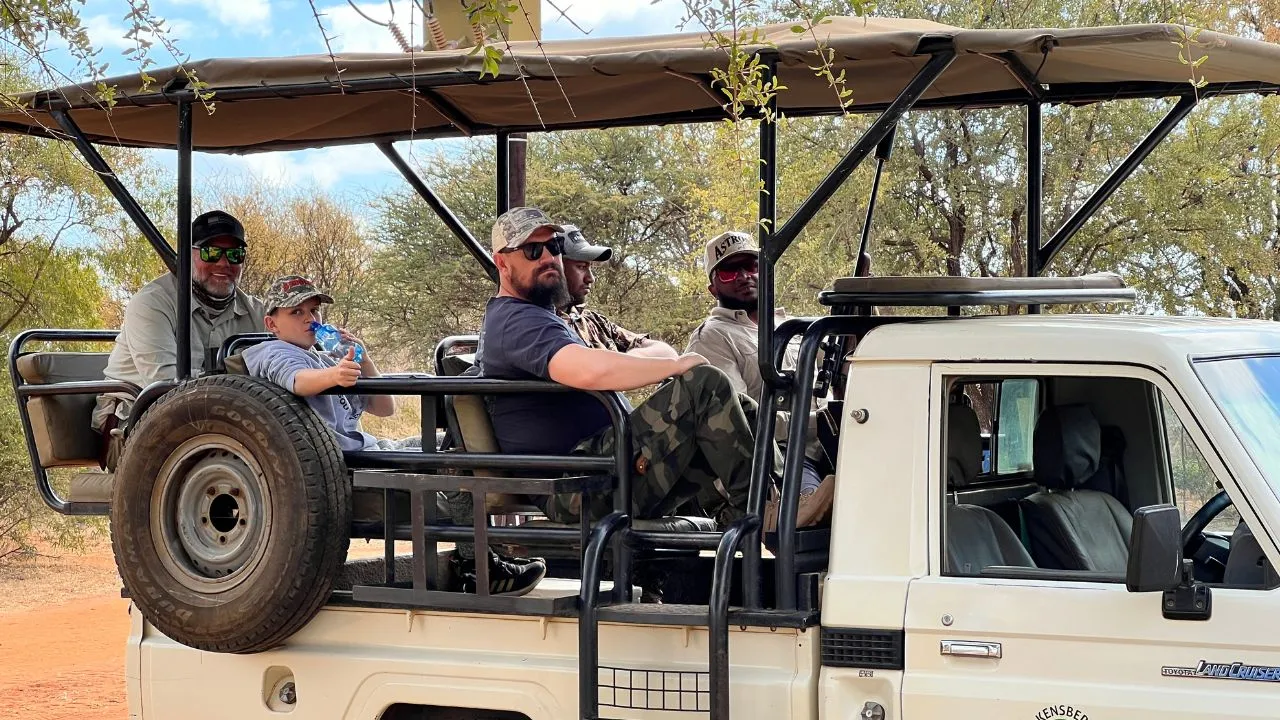
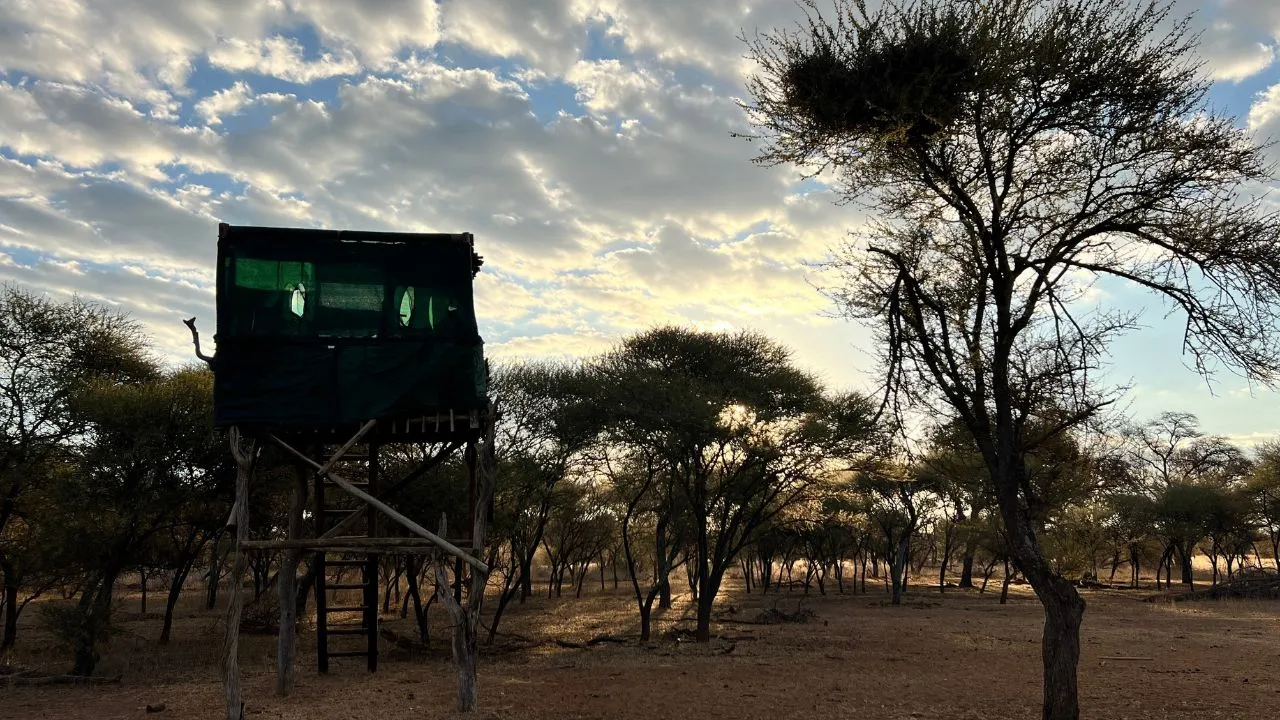

If yours isn’t here, phone us. We’d rather talk for twenty minutes than have you guess.
A wide range of plains game across our concessions — kudu, impala, springbok, warthog, zebra, blue and black wildebeest, blesbok, gemsbok, eland, nyala, waterbuck, sable and more. Cape buffalo and other dangerous game are available on permit, and we will tell you honestly which are realistic for your dates and budget.
You don’t arrange anything yourself. Provincial permits are issued in our name as the outfitter, and where CITES or dangerous-game permits are needed we handle the applications and carry the documents in the field.
Both work. Your own rifle needs a SAPS 520 temporary import permit, which we prepare with you and meet you at the JNB firearms office to complete — about an hour. Or hire from our safe: .308, .300 Win Mag and .375 H&H, ammunition included, sighted in on your first morning.
Professional hunter, tracker and skinner, lodge accommodation, all meals and drinks, laundry, road transfers from Johannesburg, field preparation of trophies, dip-and-pack, and rifle hire with ammunition. Trophy fees are separate and charged per animal taken. Taxidermy and shipping are quoted at cost.
On private reserves we know intimately: mixed bushveld in Limpopo for kudu, nyala and buffalo, open plains in the Eastern Cape for springbok and blesbok, and red Kalahari sand in the Northern Cape for gemsbok and eland. All are low-fence or free-range concessions.
For plains game, comfortable walking 5–8 km a day in the heat. The Kalahari and buffalo hunts ask more — 10–14 km and the ability to move quickly when it matters. We have guided men in their seventies successfully; tell us honestly and we’ll build the hunt to suit.
Neutral earth-tone clothing, broken-in boots, a warm jacket for winter mornings, binoculars, sun protection and any medication. Everything else — sticks, packs, coolers, rifles if you want them — is here. We send a full packing list once dates are confirmed.
Yes, and we are happy to be questioned on it. Off-take is set against annual game counts, we hunt mature males past their breeding prime, and no animal is shot from a vehicle or over bait. Trophy fees fund anti-poaching, water and habitat work, and the meat feeds local families.
Gladly, at a reduced daily rate. Wives, sons and daughters ride along on hunts or spend the day on photographic drives, at the lodge, in a Big Five park or on a mission delivery. Many of them enjoy the week more than the hunter does.
Send an enquiry or phone Justin. We confirm availability, put a written quote in front of you, and hold your dates on a deposit against the daily rate. Prime July and August weeks tend to go twelve to eighteen months out.
Send your species list and a rough window. Within 48 hours you’ll have real dates, a written quote and the names of the men walking with you. No deposit until you’re happy.